In the image below, you will see paper, left-over food, vegetable peelings, rotten fruit, and dried leaves in the photograph. These are all examples of biodegradable materials, or those that decay with the help of bacteria, fungi, and other organisms. Biodegradability is the capability of a material to decompose.
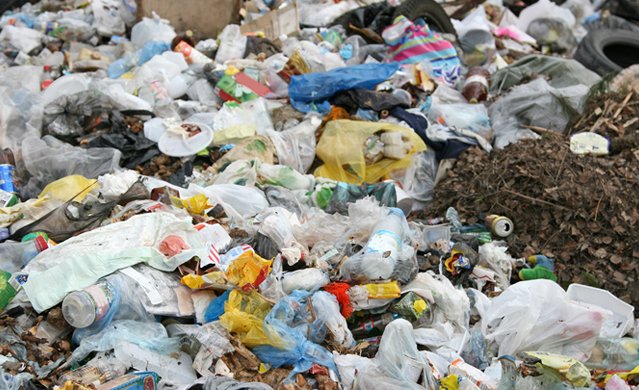
Among the other objects in the image are those made of plastic, rubber, glass, and metal. These are examples of nonbiodegradable materials, or those that do not decay easily. These materials are the main contributors to pollution on Earth because they remain in the environment in their original form for a very long time.
Disposing of Biodegradable Materials
Biodegradable materials go through decomposition, or the process by which matter is broken down into simpler and tinier pieces as decomposers like bacteria, fungi, and other organisms eat them. These pieces then become part of the soil. More significantly, the decomposition of biodegradable materials results in the formation of compost, nutrient-rich organic matter that can be used to fertilize the soil.
Composting, or the process by which compost is formed, takes place naturally through a period of time. For example, a piece of fruit thrown on the ground is eaten by bacteria, slowly decays, and turns into natural compost. You can also produce what is called home compost. You can do this in your backyard as an efficient way of disposing of the biodegradable wastes in your home.