Change in Direction
Different objects react differently when force is applied on them. They may react even by changing the direction in which they are moving. For instance, if you take a ball, roll it on the floor, then step on it, what do you think will happen to it? What force will you apply to stop it from rolling?
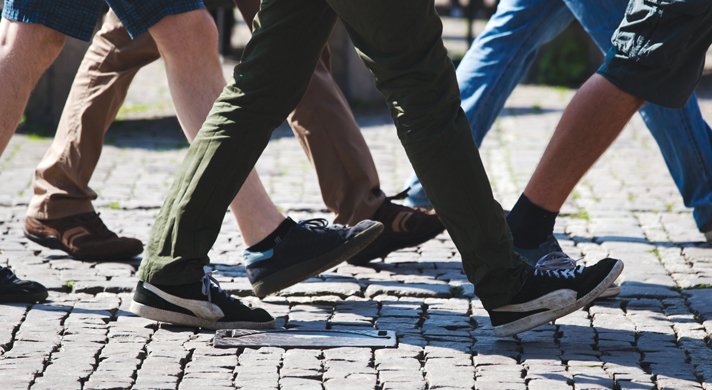
Have you also wondered why you do not easily slip on the floor or ground when you step or walk on it? This is due to the friction produced by your feet or shoes when they come in contact with the floor’s surface. Friction is the force exerted by a surface when something comes in contact with it.
A certain kind of force attracts people and objects to the ground. Even if you throw an object up in the air, it will come down because of gravity, or the force that pulls two objects toward each other. Gravity causes you to come down when you jump. Gravity causes the leaves of trees to fall off when the wind blows on them. Gravity causes a ball that you have thrown up in the air to come down.
Gravitational forces exerted by the moon and the sun also cause tides, or the rising and falling of water in big bodies of water such as oceans and seas. Because of its gravitational attraction to Earth, the moon tries to draw to it everything that is on the planet. However, Earth has a strong hold on everything that is on it, except for its waters, which are always moving. The moon’s pull on Earth’s waters causes the tides.


