Cells
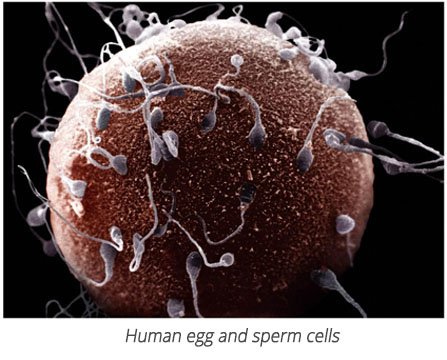
The cell is the smallest unit of the biological organization, with all living things having this basic functional structure. It is capable of numerous metabolic activities like transforming energy into different forms and controlling the transmission of hereditary traits. Indeed, life is impossible without the cell.
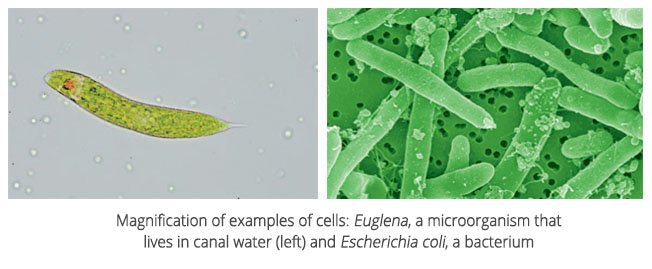
A cell is surrounded by a plasma membrane that delineates the cell’s interior from its exterior. This membrane serves to regulate the substances that enter and leave the cell. Most cells have a nucleus, or the part that contains genetic material in the form of deoxyribonucleic acid (DNA).